Ex Libris Kirkland is my entirely self-centered way to keep track of what I read, what I enjoy, and what I want to remember.

📓 Recent Notes 📓
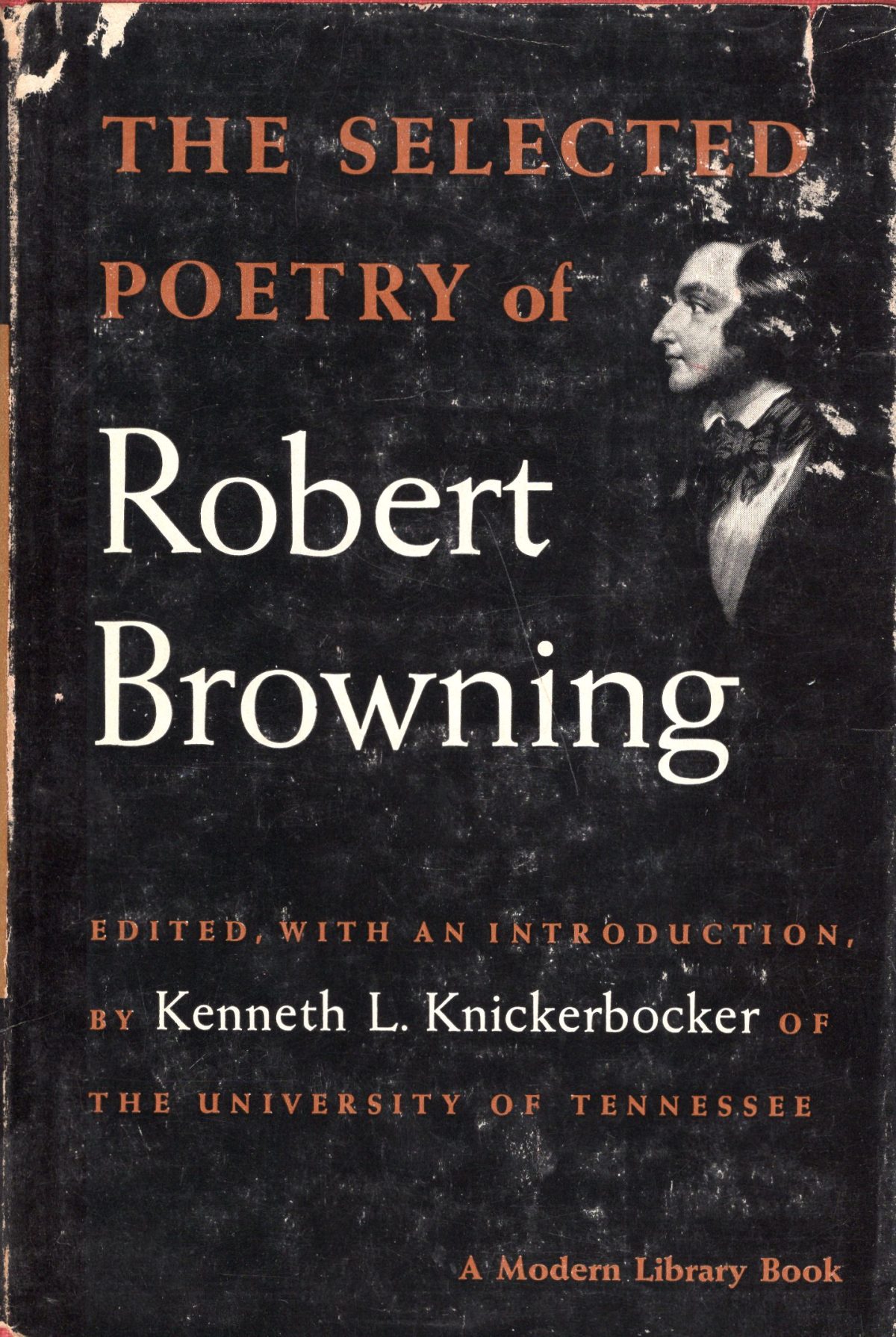
I've never read Browning really. I mean I've given it a spin before, but the stuffiness of it never felt enjoyable. But I read Andrea del Sarto to make myself finally learn the context of the 'man's reach should exceed his grasp' famous line that I reference all the time. And I found I enjoy these, if I can bring enough attention to them. They take a steady effort, though!
a note about Selected Poetry of Robert Browning
A murder mystery / detective series, highly recommended by Helen DeWitt of all people. Maybe it's better in Italian? Not my genre of course, but I found this mostly uninteresting. Our hero is a noble detective in fascist Italy who can see dead people, in The Sixth Sense sense. So it helps him solve murders! But this barely seems to influence the plot, or at least not in the first 2/3.
a note about I Will Have Vengeance
HERE’s a running list of things I’ve been generally interested in, or have spent time googling, BEFORE they came up in this book. Sometimes during reading this I just thought: does Neal Stephenson snoop on my browser history?
- falconry
- kabaddi, the traditional/modern Indian team sport of tackle-tag
- Indian geography (I’ve been trying to learn the Indian states, almost got ‘em locked)
- climate change
- climate engineering, specifically high-altitude sulfur injection
- the economics of running giant gas stations like Buc-ee’s
- feral hog problems
- many, many references to Moby-Dick
a note about Termination Shock
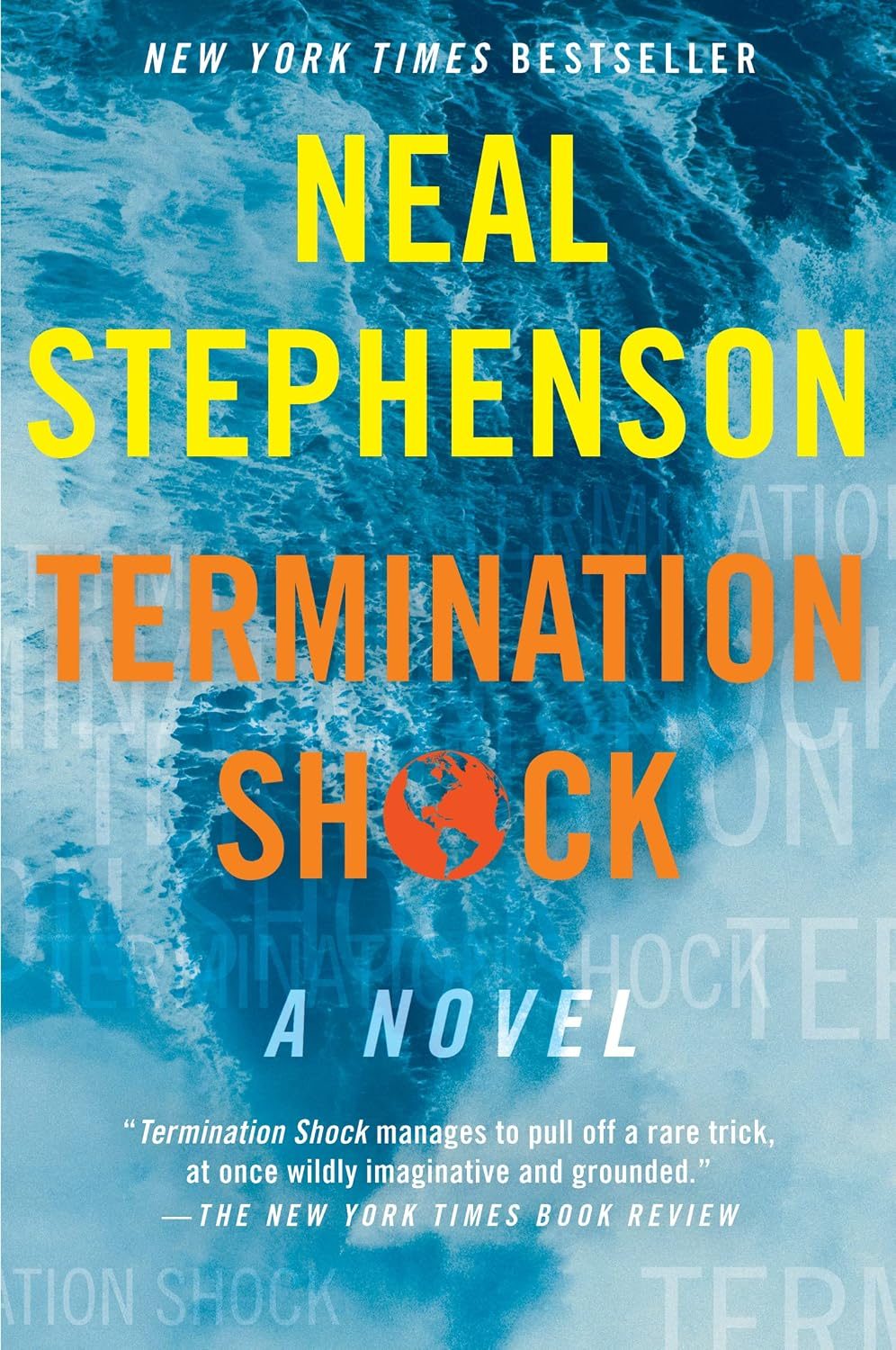
You either like books where Neal Stephenson explains things to you, or you don't. I guess I am in the first category! This is a near-future scifi about climate disaster and climate engineering, via stratospheric sulfur injection, and it has been one of the most fun books I've read in a while.
a note about Termination Shock
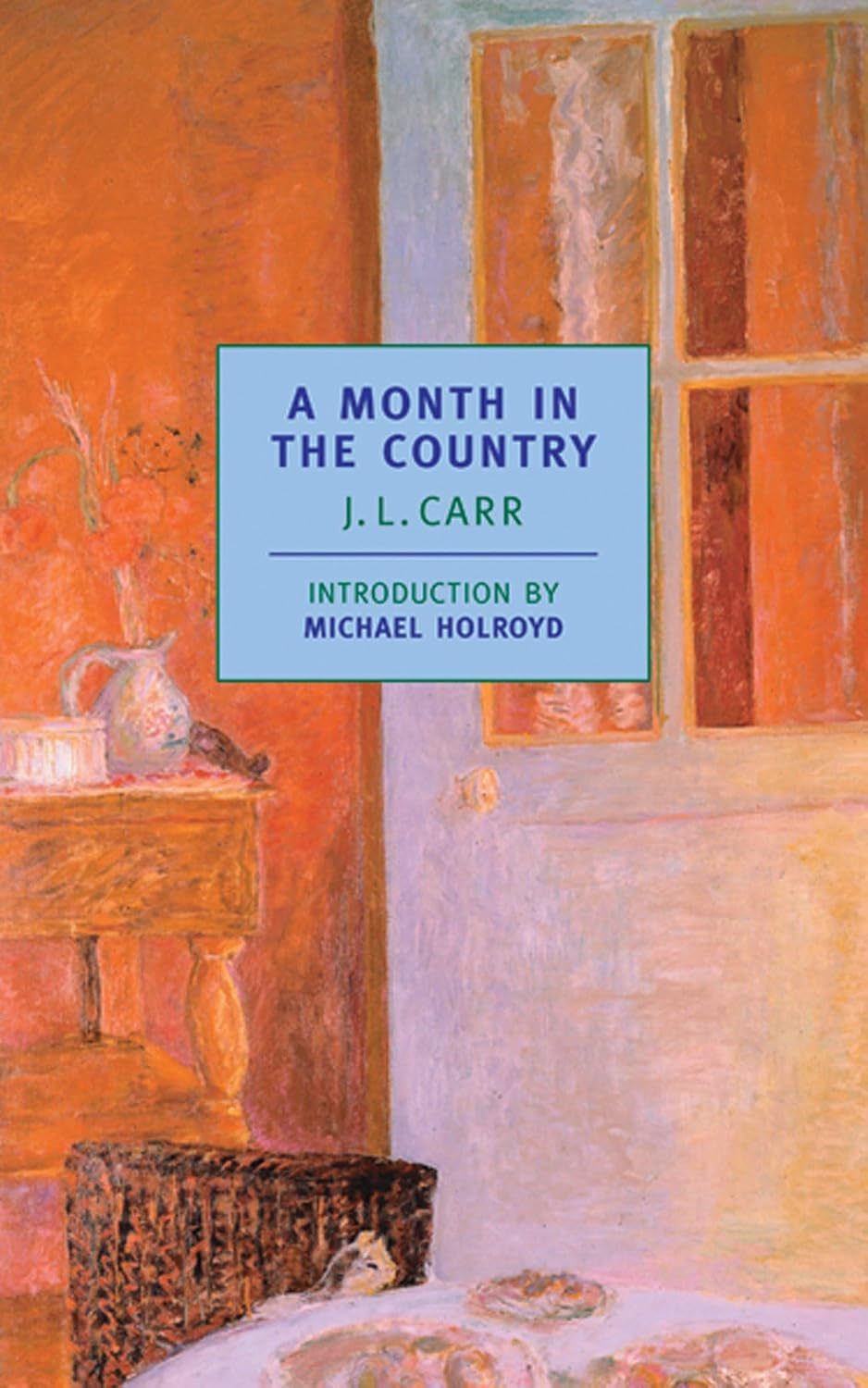
There are so much specific language about time and place - 1920s countryside England - I was really surprised to find this was published in 1980. I suppose the ethos of it feels more modern!
a note about A Month in the Country
📖 Recent Quotes 📖
From Andrea Del Sarto:
I, painting from myself and to myself,
Know what I do, am unmoved by men’s blame
Or their praise either.
…
Speak as they please, what does the mountain care?
Ah, but a man’s reach should exceed his grasp,
Or what’s a heaven for?an excerpt from Selected Poetry of Robert Browning
From Transcendentalism:
But why such long prolusion and display,
Such turning and adjustment of the harp,
And taking it upon your breast, at length,
Only to speak dry words across its strings?an excerpt from Selected Poetry of Robert Browning
From A Death in the Desert:
Is it for nothing we grow old and weak,
We whom God loves? When pain ends, gain ends too.an excerpt from Selected Poetry of Robert Browning
[ from the introduction; Carr apparently self-published early zines? ]
Using the back room of his house in Kettering as well as a garden shed, and employing a filing system consisting of shoe boxes, he created an unusual publishing empire based, he explained, "entirely on logic." His publications measured five inches by three and a half, which enabled him to dispatch them in standard-sized envelopes at minimum postage. These "mind-enlarging micro-tomelets," as The Times Literary Supplement called them, consisted of sixteen tiny pages which, he claimed, was just within the public's reading span. He began with a selection of poets, the very first being John Clare, one of whose descendants he had identified as his milkman at Kettering. To these miniature poetry books he then added a bizarre collection of tiny biographical dictionaries of eponymists, usurpers, royal consorts, frontiersmen, and others. Readers came to love his wonderful mixture of fact and fantasy, his succinct and opinionated style (Nell Gwynn is a "ravishing fruiterer"; Henry VIII an "axe-happy, ulcerated, impotent monster") combined with his prolix titles, such as Prelates, Parsons, Vergers, Wardens, Sidesmen ev Preachers, Sunday School Teachers, Hermits, Ecclesiastical Flower-arrangers, Fifth Monarchy Men and False Prophets. So successful was this publishing venture that, when approaching eighty, he decided to publish his own last two novels.an excerpt from A Month in the Country
…then sent a short affectionate note to Lotte, her sixteen-year-old daughter, who could be relied upon to ignore it. Not that she was a terrible person, or that their relationship was bad, just that she was sixteen and for all practical purposes dwelled on another planet.
an excerpt from Termination Shock